
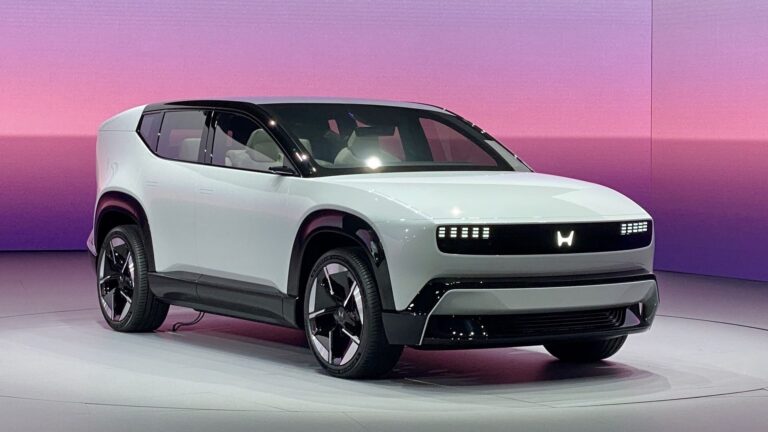
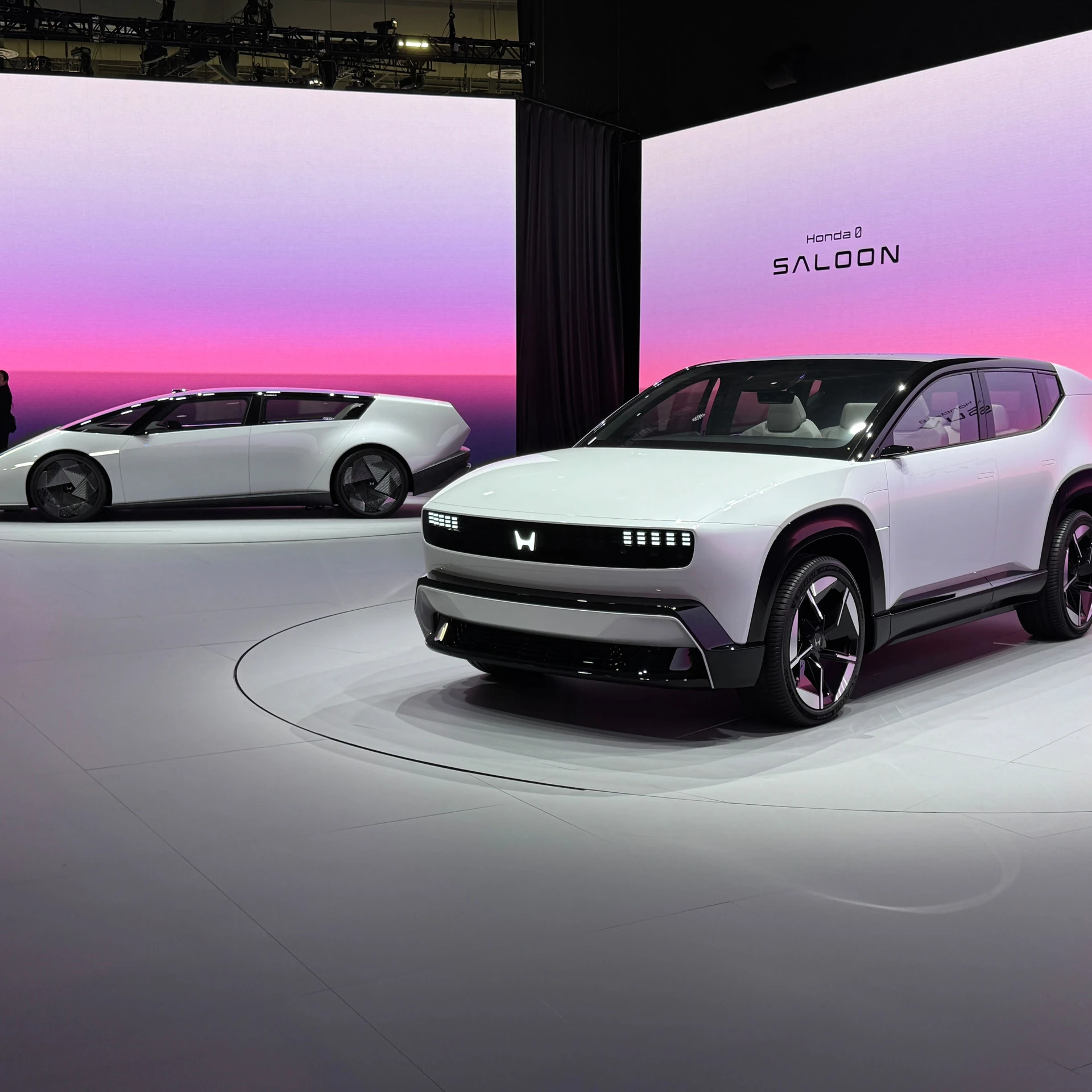
Honda has made a sharp pivot in its electrification strategy, canceling three electric vehicles that were only months away from production. The Honda 0 SUV, the Honda 0 sedan, and the Acura RSX have all been scrapped despite being presented as near-production models at CES last year. This is a significant blow to the company’s Ohio EV Hub, where billions had already been invested to build these specific cars. Unlike previous collaborations with GM, these models were developed on Honda’s proprietary Zero platform, intended to be their first fully in-house effort in the North American market.
Market Shifting and Policy Changes
The decision stems from a combination of cooling demand and shifting federal policies. Honda cited the elimination of federal EV tax credits and eased fossil fuel regulations as primary reasons for the slowdown in US interest. For the consumer, the loss of a $7,500 [€7,080] credit makes the “form and function” of an EV much harder to justify over a traditional hybrid. CEO Toshihiro Mibe noted that achieving profitability in the current environment has become a difficult task. Consequently, Honda is redirecting its resources toward next-generation hybrids, which offer a more predictable return on investment while the infrastructure and policy landscape remains volatile.
The Financial Fallout
Restructuring an entire division is an expensive endeavor. Honda estimate the total cost of this shift could reach 2.5 trillion yen ($15.7 billion [€14.8 billion]). This could result in the company’s first annual loss since it went public in 1957. To account for this, senior leadership is taking a temporary pay cut: Mibe and Executive Vice President Noriya Kaihara will forgo 30 percent of their compensation for three months. Other executives are following suit with a 20 percent reduction. It is a rare moment of corporate accountability for a product strategy that was, until very recently, the cornerstone of their future.
Global Context and Future Strategy
Honda is not the only manufacturer pulling back: Ford, Volkswagen, and Hyundai have all delayed or scrapped similar projects recently. The industry is finding that software-driven vehicles from newer Chinese manufacturers are moving at a pace that traditional production cycles struggle to match. By focusing on India and the hybrid market, Honda is choosing a path of substance over the optics of being “EV-only.” While this move avoids the immediate risk of unsold inventory, it leaves a gap in their lineup where those proprietary Zero platform vehicles were meant to sit. We expect to see a more detailed long-term strategy during their upcoming press conference in May.
The demand shift had made EV profitability very difficult. We will redirect resources toward next-generation hybrids and only bring EVs to market when demand justifies it.
For those waiting on the Acura RSX or the sleek Honda 0 sedan, the wait has turned into a cancellation. The transition to electric power is proving to be less of a sprint and more of a messy, expensive marathon. For now, Honda is betting that the reliability of hybrid technology is what the market actually wants, even if it means putting their most ambitious design projects on the shelf for the foreseeable future.