
I’ve spent more hours than I’d like to admit staring at pixels, obsessing over color accuracy and the all the ways you can adjust a screen. Usually, “Pro” displays fall into two camps: the ones that look like plastic medical equipment and the ones that cost more than a mid-sized sedan. Some days ago, Apple decided to bridge that gap by doubling down on their display lineup with the new Studio Display and the beastly Studio Display XDR.
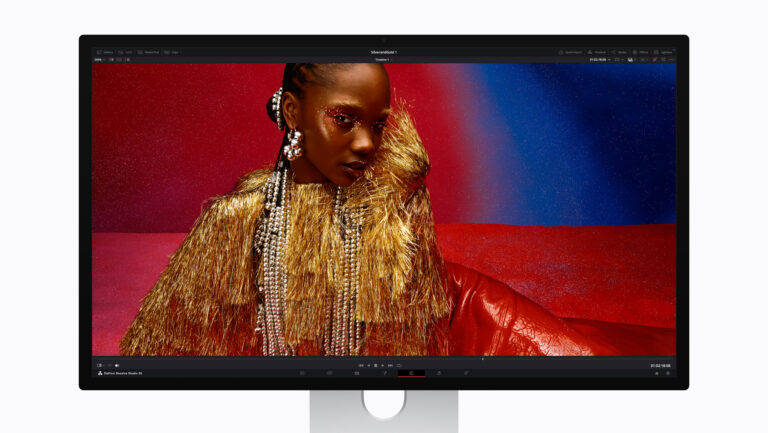
If you thought the original Studio Display was the end-game for your desk setup, the XDR version is here to make you rethink your budget. We’re talking about a 27-inch [68.5 cm] 5K Retina XDR panel that finally brings mini-LED tech to the desktop. With 2,000 nits of peak brightness, this isn’t just about “looking nice” it’s about having enough luminance to actually see what you’re doing in an HDR color grade without closing the blinds.
Studio Display XDR
The headline here is the mini-LED backlight. With over 2,000 local dimming zones, Apple is hopefully tackling the “blooming” issue that plagues cheaper monitors. For the gamers and video editors, the jump to a 120Hz refresh rate is the real “why.” It makes the macOS UI feel liquid-smooth and cuts down on latency, which is a win if you’re toggling between Adobe Premiere and a quick session of whatever is currently trending on Steam. Plus, it finally supports Thunderbolt 5, meaning you can daisy-chain displays without your cable management becoming a nightmare.
- The Screen: 27 inches 5K. It now supports the Adobe RGB gamut alongside P3, which is a huge “finally” for the print and design.
- The Speed: 120Hz refresh rate with Adaptive Sync (47Hz to 120Hz). This isn’t just for gaming; it reduces eye strain during long scrolling sessions through code or timelines.
- The Power: Thunderbolt 5 connectivity that delivers up to 140W of charging. That’s enough to fast-charge a 16-inch MacBook Pro through a single cable.
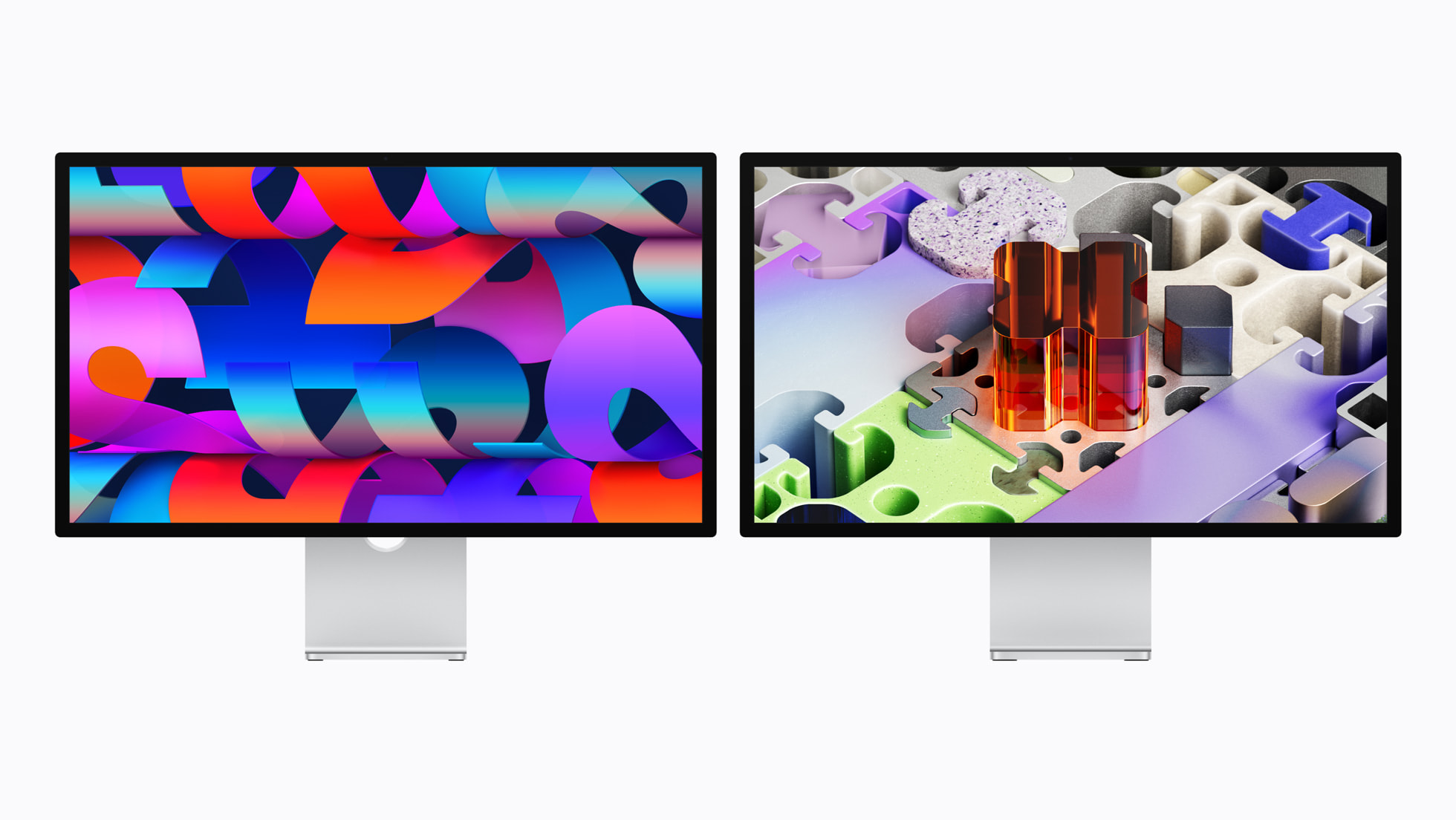
The Classic Studio Display
The standard Studio Display isn’t being left in the dust. It gets a 12MP Center Stage camera with improved image quality, thankfully, because looking like a pixelated mess on a $1,599 monitor was never a good look. The audio system remains top-tier with six speakers and Spatial Audio. As someone who appreciates a clean desk, having a built-in “studio quality” mic array means one less peripheral cluttering up my workspace.
Studio Display XDR is a huge leap forward for XDR technology, with a mini-LED backlight, 2000 nits of peak HDR brightness, and a 120Hz refresh rate, transforming workflows like filmmaking, design, and 3D animation.
Both displays arrive on Wednesday, March 11. The Studio Display starts at $1,599, while the Studio Display XDR enters the room at $3,299. It’s a steep entry price, but for those of us who spend 10 hours a day staring at these pixels, the “function” of saving our eyesight and perfecting our exports might just justify the “form” of that price tag. Just don’t ask me about the nano-texture glass upcharge, that’s a conversation for another day.